Fukushima and the Coming Tokyo Earthquake
and what it will mean for a fragile world economy
This book tells the story of two earthquakes: one that has already happened, and one that the author argues is still to come. It examines their consequences not only for Japan, but also for the wider world.
The book is structured in sections that progressively broaden the perspective — from local and national events in Japan to their potential global consequences.


Fukushima
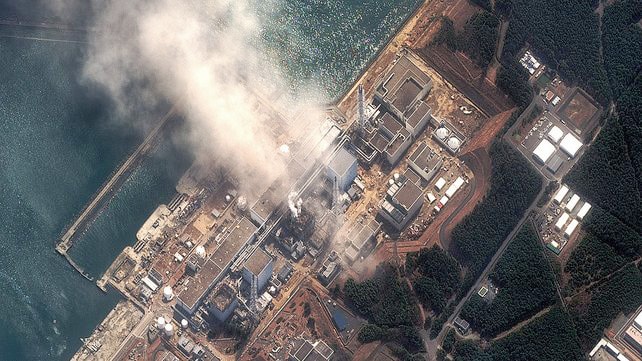
The first half of the book examines the Fukushima disaster and the events that led to it. It places the March 2011 earthquake and tsunami within the longer history of Japan’s relationship with earthquakes, nuclear power and the political and economic structures surrounding the industry.
The book looks at the Fukushima Daiichi nuclear accident, the sequence of events following the tsunami, the release of radioactive material and the consequences for the surrounding region. It also considers questions about radiation, the exclusion zone, official responses and the wider costs and risks associated with nuclear power.
From there, the discussion broadens to examine the future of nuclear energy, renewable energy and the challenges of climate change.
The Story Behind the Book
The story begins with Fukushima, but the book looks beyond the disaster itself. It explores the cultural, political and economic factors that shaped Japan’s response, as well as the country’s long relationship with earthquakes, nuclear power and limited land.
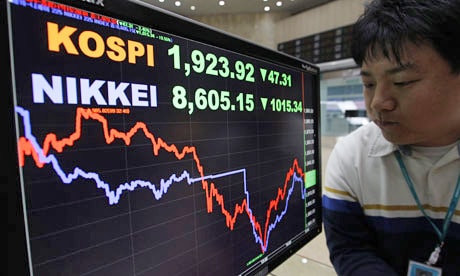
The later chapters turn towards the future, examining renewable energy, climate change and the possibility of another major earthquake in the Kanto region. The author considers what such an event could mean for Tokyo, Japan and the wider global economy.
Contents
Chapter 1 — Cultural Themes
Cultural themes that relate to the Fukushima earthquake and its aftermath. This chapter examines the importance of the group, the influence of bureaucrats and factional politics, and the protection of Japan’s rural political power base.
Chapter 2 — Land, the “Bubble Era”, and the Yakuza
An examination of Japan’s limited supply of flat land, housing pressures and the influence of the Yakuza during the Bubble Era. The chapter also explores the development of Japan’s nuclear power industry and the political and financial pressures surrounding the location of nuclear plants.
Chapter 3 — Japan’s Nuclear Power Industry
The development and expansion of Japan’s nuclear power industry during the 1950s and 1960s, including the influence of powerful politicians and allegations of bribery and financial inducements used to encourage poorer communities to accept nuclear facilities.
Chapter 4 — Earthquakes, Tsunami, Nuclear Power and Japan’s 9/11
Earthquakes and tsunamis have shaped Japan throughout its history. This chapter examines that history and recounts the author’s experience of the devastating earthquake of March 11, 2011.
Chapter 5 — Fukushima Daiichi
The sequence of events at Fukushima Daiichi following the tsunami, including the reactor meltdowns, the dangers faced at other nuclear facilities and the release and subsequent handling of radioactive material.
Chapter 6 — Radiation, the Exclusion Zone, Cover-Ups and Secrecy
An examination of radiation, the Fukushima exclusion zone and questions surrounding official information and transparency. The chapter also considers the debate surrounding the effects of low-level radiation and comparisons with radiation data from Chernobyl.
Chapter 7 — Now, Where Have We Heard This Before?
This chapter returns to the cultural and political themes introduced earlier in the book, examining how they appeared again in the aftermath of the Fukushima meltdowns and helping explain some of the responses that surprised foreign observers.
Chapter 8 — The Future of Nuclear Power
The future of nuclear power in an earthquake-prone country. The chapter considers the risks and costs associated with the nuclear fuel cycle, from uranium mining and enrichment through construction and operation to decommissioning and the long-term storage of nuclear waste.
Chapter 9 — Renewables and Nuclear Power on a Warming Planet
The relationship between energy production, climate change and the future of the planet. The chapter considers fossil fuels, their wider costs, renewable energy, energy efficiency and the increasingly polarised debate over how societies should respond to climate change.
Chapter 10 — Innovation, Cautious Optimism and a Polarised Debate
The changes that may be needed to address climate change, including developments in renewable energy and energy storage. Despite the scale of the challenge, the chapter considers reasons for cautious optimism about technological and social change.
Chapter 11 — The Coming Kanto Earthquake
The history and development of Tokyo, its geological setting and the risks posed by a major future earthquake. The chapter considers the vulnerability of reclaimed land and densely populated areas, the concentration of political and economic power in Tokyo, and the potential consequences for Japan’s infrastructure and economy.
Chapter 12 — Consequences
The potential consequences of a major Kanto earthquake and the wider themes developed throughout the book. The chapter considers the possible economic effects of rebuilding Tokyo, including the author’s argument concerning Japanese financial assets held overseas, and revisits the implications of Fukushima for the future of nuclear power around the world.
Read the Book
Discover Fukushima and the Coming Tokyo Earthquake and explore the author’s analysis of the events, risks and potential consequences discussed throughout the book.